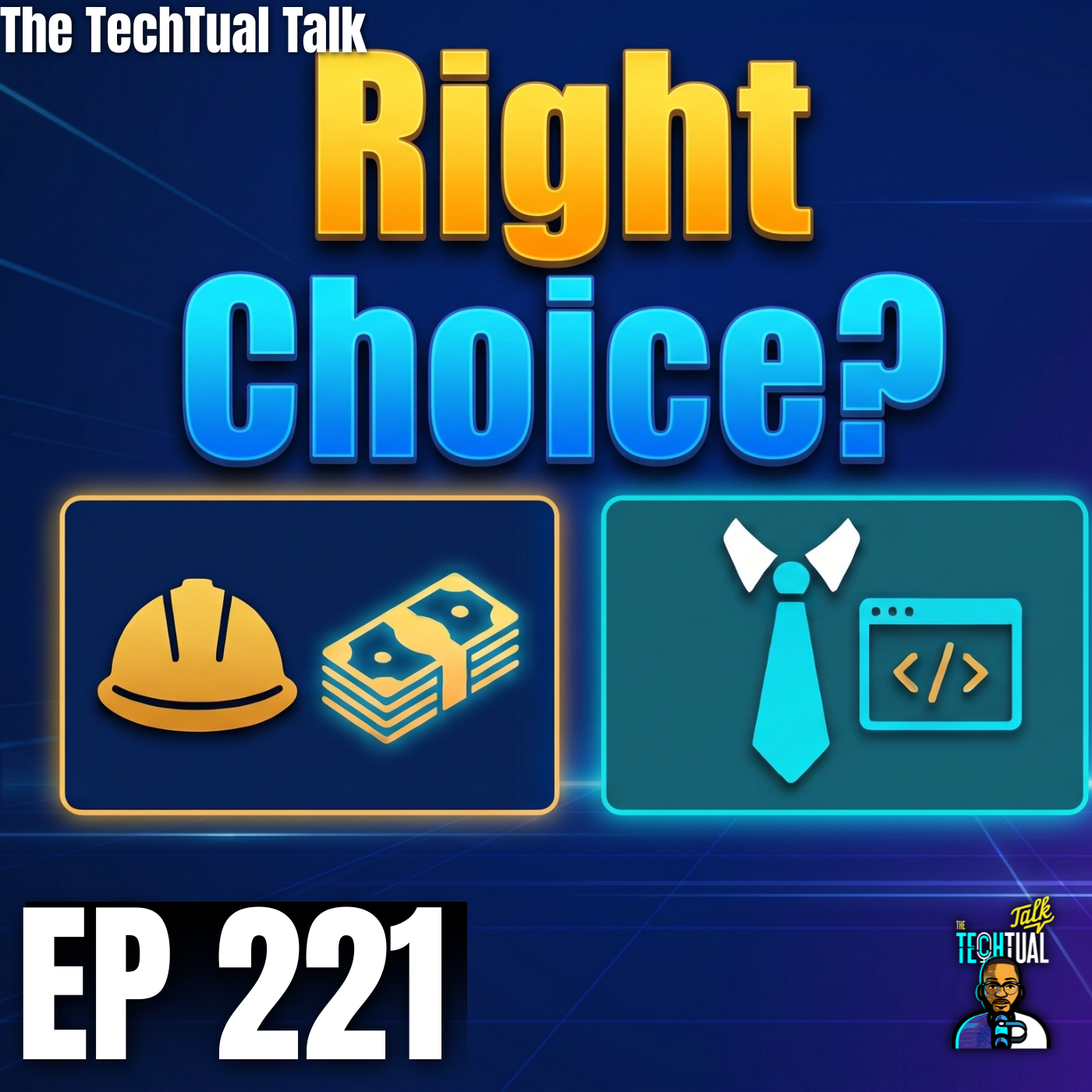
Blue Collar vs. White Collar Salaries: Which Path Wins Today?
For decades, society has pushed a very specific narrative about how to achieve the American Dream: graduate from high school, enroll in a four-year university, secure a corporate desk job, and climb the white-collar ladder to financial freedom. Parents, guidance counselors, and cultural touchstones have long treated traditional trade careers as a backup plan—something you do if college does not quite work out. But as we navigate a rapidly shifting economic landscape marked by inflation, skyrocketing university tuition, and the impending disruption of artificial intelligence, that old narrative is being completely rewritten.
Today, people are asking a revolutionary question: do white-collar salaries actually beat blue-collar wages anymore? When you factor in student loan debt, years of lost income during schooling, and the rising demand for skilled labor, the traditional divide between blue-collar and white-collar work gets blurred. In this deep dive, we are going to look at the financial realities, lifestyle differences, upfront costs, and long-term stability of both paths to help you figure out which one truly wins for your future.
Introduction to the modern earnings debate
The modern earnings debate is no longer just about who makes a higher number on a pay stub. It is about net worth, quality of life, job security, and how quickly you can start building a sustainable future. For a long time, white-collar jobs held a definitive psychological and financial advantage. Sitting in an air-conditioned office, typing away on a laptop, and managing corporate portfolios was viewed as the pinnacle of professional success. Meanwhile, working with your hands on a construction site, fixing electrical grids, or plumbing residential homes was often undervalued.
However, supply and demand economics have staged a massive comeback. As generations of workers were funneled into office jobs, a massive labor shortage developed in the skilled trades. At the same time, white-collar entry-level markets became intensely saturated, making it harder for recent graduates to secure well-paying corporate gigs right out of the gate. This economic friction has sparked a cultural re-evaluation of what meaningful, lucrative work actually looks like in the twenty-first century.
The financial realities of traditional trade careers
When evaluating traditional trade careers—such as electricians, plumbers, HVAC technicians, welders, and carpenters—the financial trajectory often surprises people. Unlike university graduates who typically enter the workforce in their early twenties with thousands of dollars in debt, trade workers often start earning money much earlier.
Many trades utilize an apprenticeship model. This means that from day one, you are getting paid while you learn. Your education is subsidized by your hands-on work under the guidance of a master tradesperson. As you log your hours and pass your certifications, your hourly rate or project fee scales upward significantly. Master electricians and plumbers, for example, frequently command six-figure salaries, especially if they transition into running their own independent contracting businesses. Because the infrastructure of our cities and homes constantly requires maintenance, repair, and expansion, the demand for these services remains consistently high, insulating tradespeople from sudden economic downturns.
Breaking down corporate white-collar compensation
On the other side of the coin, corporate white-collar compensation structures are notoriously complex. White-collar roles—ranging from software engineering and financial analysis to marketing management and legal consulting—often feature high starting salaries, particularly in major metropolitan hubs or specialized sectors like tech and finance.
Furthermore, white-collar compensation packages frequently include benefits that go beyond a base salary. These can encompass performance bonuses, stock options, equity grants, comprehensive health insurance, retirement matching, and corporate perks like remote work stipends or wellness allowances. However, reaching the upper echelons of corporate earnings usually requires years of navigating office politics, climbing a competitive hierarchy, and often pursuing advanced degrees like an MBA. While a successful corporate executive or high-level tech worker can earn millions, the median white-collar worker often spends years fighting through stagnant entry-level wages while trying to pay down the massive debt that got them into the office in the first place.
Upfront costs: Trade school versus traditional university degrees
One of the most critical factors in the blue-collar versus white-collar debate is the initial investment required to get started. The cost of a traditional four-year university education has risen exponentially over the past few decades, drastically outpacing inflation. Students regularly graduate with tens or even hundreds of thousands of dollars in student loan debt, which can take decades to pay off, compounding interest along the way.
Contrast this with trade school or vocational programs. Most trade programs can be completed in two years or less, with some certifications taking only a few months. The tuition costs are a fraction of university prices, and because of the aforementioned apprenticeship model, many individuals graduate with zero debt and several years of practical work experience under their belts. When you calculate opportunity cost—the money you make while a college student is paying to study—the financial head start that trade workers achieve is monumental.
Lifestyle differences and daily work environments
Money is only one part of the equation. The day-to-day lifestyle and work environment can make or break your long-term career satisfaction. White-collar jobs typically offer climate-controlled environments, flexible remote or hybrid work policies, and opportunities to travel for corporate conferences. However, they also come with distinct drawbacks, such as sedentary lifestyles, long hours staring at screens, chronic back pain from office chairs, and the mental fatigue of "always being on" through Slack, email, and virtual meetings.
Conversely, blue-collar jobs are physically demanding. You are often on your feet, lifting heavy objects, working in extreme weather conditions, and performing manual labor that takes a toll on your body over time. Yet, many tradespeople report a high level of mental satisfaction because their work is tangible. At the end of the day, you can look at a newly wired house, a fully repaired plumbing system, or a structurally sound building and see the direct result of your physical labor. There are no ambiguous quarterly reports; there is just honest, hard work.
Long-term job stability in the age of automation and AI
As artificial intelligence, machine learning, and advanced automation rapidly transform the global workforce, long-term job stability has become a primary concern for every professional. White-collar workers are currently experiencing unprecedented disruption. Generative AI tools can now draft legal documents, write basic computer code, analyze financial spreadsheets, and generate marketing copy in seconds. This has put entry-level white-collar jobs, in particular, at a high risk of displacement.
On the flip side, blue-collar trade jobs enjoy a high degree of AI-proofing. While software can automate data entry, an algorithm cannot climb into your crawl space, troubleshoot complex, unpredictable plumbing leaks, or carefully rewire a historic building. The physical, dexterous, and dynamic nature of trade work requires human problem-solving in unpredictable physical environments, making these roles remarkably resilient against technological automation in the foreseeable future.
Overcoming hiring bias in both industries
Despite the merits of both paths, both industries struggle with persistent hiring biases that can stifle talent. In the white-collar world, ageism, pedigree bias (favoring graduates from elite ivy-league universities), and rigid corporate filters often screen out incredible, self-taught talent. In the trades, while the labor shortage is forcing companies to be more inclusive, traditional gatekeeping and a historical lack of representation can sometimes make it harder for women and minority workers to break into the ecosystem comfortably.
Overcoming these hiring biases is essential for the growth of both sectors. Companies must begin evaluating candidates based on verified skills, adaptability, and portfolios rather than traditional resume keywords or institutional credentials. When organizations drop arbitrary barriers, they unlock a massive pool of untapped potential.
Conclusion: Which path wins for your future?
So, which path ultimately wins the salary and lifestyle debate today? The truth is, there is no single universal winner. The right choice depends entirely on your personal strengths, your risk tolerance, your financial goals, and how you prefer to spend your working hours. If you despise physical labor, thrive in analytical environments, and are willing to navigate the complexities of corporate culture for a shot at massive upward mobility, the white-collar path can still yield incredible rewards. However, if you want to graduate debt-free, make money quickly, enjoy tangible job satisfaction, and secure your future against the sweeping waves of artificial intelligence automation, a career in the skilled trades is a remarkably powerful contender.
To dive even deeper into this earnings debate, explore how modern economic shifts, AI advancements, and generational workplace dynamics are changing our careers. Listen to the full discussion in Episode 225: Blue Collar vs White Collar Salary, Anthropic Claude Money, Reddit HBO Max Exploit? to get all the insights and real talk you need to make the best decision for your professional future.

Host
Hi, I'm Henri Davis. I hold a bachelor degree in Computer Information Systems from Louisiana Tech University and a Masters Degree in IT Management from The University of Dallas. With over a decade of progressive IT and Cybersecurity experience, I have had the opportunity to excel in various organizations. Presently, I work in Threat Detection and Incident Response for a financial company. In addition, I am an instructor on LinkedIn Learning and a Cybersecurity Career Coach. I also run the TechTual Chatter Youtube Channel where I use my extensive IT experience to offer unique insights on thriving in the corporate world of tech. I'm passionate about sharing my knowledge and expertise to help others navigate the field of technology and succeed in their careers.