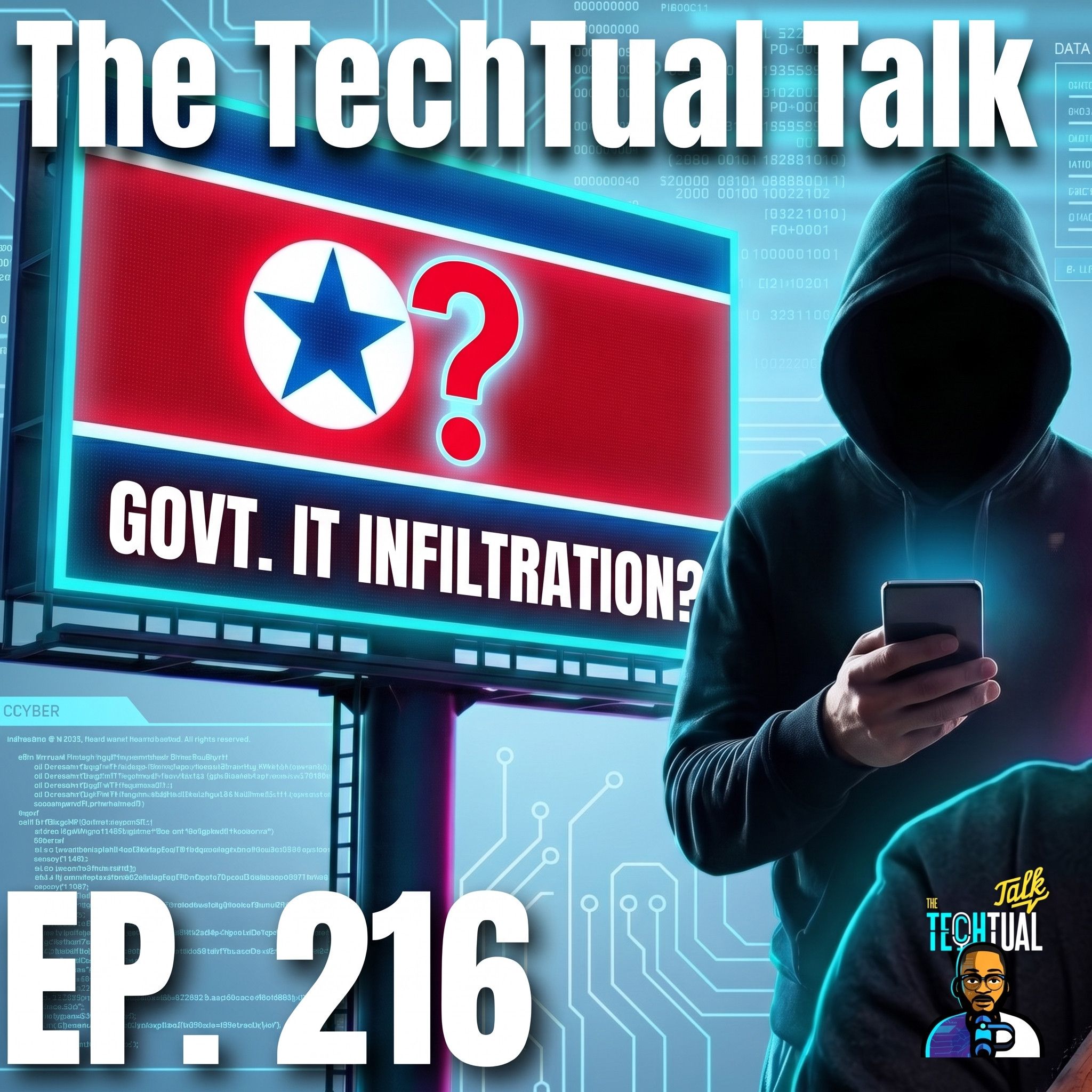
North Korean Remote Workers Infiltrating US Government Agencies: Cybersecurity Realities
Discover how North Korean IT workers utilizing stolen identities managed to infiltrate US government agencies. Learn the mechanics behind these sophisticated remote hiring schemes, why traditional background checks fail, and how security teams are evolving their pre-hire vetting to block state-sponsored insider threats.
Key Takeaways
- North Korean IT workers have successfully infiltrated Western tech companies and US government agencies using stolen or synthetic American identities.
- While these operatives actually perform the assigned technical work to maintain cover, they funnel paychecks back to the regime and compromise internal networks.
- Traditional perimeter security and standard HR vetting processes are failing because the identity verification breakdown happens entirely at the pre-hire stage.
- Organizations are shifting toward aggressive identity proofing, live liveness detection during interviews, and hardware shipping verification to combat insider threats.
The Evolution of the Fake Remote Worker Threat
For years, cybersecurity analysts and intelligence agencies have tracked a massive, state-backed operation originating from North Korea. Thousands of highly trained IT workers have been deployed globally with a singular mission: secure remote technical roles at Western corporations and government bodies. Unlike traditional cyberattacks that rely on malware or phishing to breach networks, this scheme targets the human element of human resources. By leveraging stolen Social Security numbers, fabricated resumes, and deepfake technology for video interviews, these operatives successfully bypass standard digital hiring funnels.
What makes this threat particularly dangerous is that it bypasses traditional perimeter defenses entirely. Once hired, these workers do not immediately launch disruptive attacks. Instead, many of them actually complete their assigned software engineering or IT tasks to avoid raising suspicion. However, the financial proceeds are funneled directly back to the North Korean regime to fund illicit programs, and the insiders use their authorized access to harvest sensitive data, steal intellectual property, and set up persistent backdoors within corporate and government infrastructure.
How the Infiltration Reached the US Government
While private tech startups and mid-sized enterprises have frequently fallen victim to these synthetic identities, the revelation that a sanctioned North Korean operative successfully landed a role within a US federal agency represents an alarming escalation. Government agencies typically enforce rigorous background checks and security clearance procedures designed to keep hostile actors at bay. Yet, creative proxy schemes and complicit domestic intermediaries have occasionally managed to crack those walls.
Previous federal indictments revealed cases where US-based facilitators helped foreign actors set up proxy computers and manage payroll, effectively masking the physical location of the worker. When these tactics scale to government contracting and federal employment, the implications stretch far beyond standard corporate espionage. They expose critical structural weaknesses in how public and private institutions authenticate remote applicants before granting them system credentials.
Why Traditional HR Vetting Is Failing
The core vulnerability exploited in these North Korean remote worker schemes is not a technical flaw in a firewall or an unpatched software vulnerability. It is the resume and interview process. Modern remote work culture has created an environment where hiring managers rarely meet candidates in person. Interviews are conducted over Zoom or Microsoft Teams, where audio-video filters, pre-recorded loops, or deepfake software can easily mask a person's true identity and physical location.
Furthermore, standard background screening tools often rely on databases that can be manipulated or bypassed using stolen credentials. When a candidate presents a pristine resume, a valid-looking tax identifier, and passes a technical coding test, overworked HR departments frequently check the box and extend an offer. Adversaries have weaponized this urgency, turning the standard hiring pipeline into a primary entry vector for advanced persistent threats.
Shifting From Perimeter Defense to Pre-Hire Security
As organizations realize that their most dangerous adversaries might already be sitting inside their employee directory, security strategies are rapidly changing. Enterprises are no longer just focusing on endpoint detection and response (EDR) or data loss prevention (DLP) tools; they are investing heavily in pre-hire security controls.
- Identity Proofing: Implementing strict government ID verification platforms that require live biometric scans during the initial interview stages.
- Hardware Verification: Shipping corporate-managed laptops exclusively to verified residential addresses tied directly to financial or tax records, rather than third-party mail forwarding services.
- Continuous Monitoring: Utilizing behavioral analytics and endpoint telemetry to catch anomalies in work patterns, keystroke dynamics, or unexpected network traffic originating from overseas proxy servers.
The Future of Remote Workforce Security
The intersection of remote work and state-sponsored cyber operations means that human resources and cybersecurity teams must operate as a unified front. Treating background checks as a purely administrative task is no longer viable in an era where adversaries possess the technical skills to pass rigorous coding evaluations while hiding their true nationality.
As federal agencies and major corporations tighten their screening mechanisms, the barrier to entry for remote roles will inevitably become more rigorous. Candidates and honest job seekers should expect more friction during onboarding, including randomized identity checks and advanced video verification. While these measures add steps to the hiring process, they are necessary to ensure that the person behind the screen matches the credentials on paper.
For a deeper dive into current cybersecurity headlines, insider threats, and emerging tech trends, make sure to Listen to the full episode of The TechTual Talk.